Author Archives: austest

Are your sinks, washing machine drain line, or shower drain lines blocking up more frequently than before? Do your toilet and sinks emit a foul stench that seemingly does not diminish or go away? You might need a CCTV inspection for your drainage system.

CCTV drain inspections and surveys are a means through which professional plumbers can insect the health and state of the drainage system. This non-intrusive inspection method is invaluable for drainage system repairs, maintenance, extensions, and upgrades. Using the latest technology in drainage inspections, experienced technicians can identify blockages, rusting, damages and other issues in the drainage lines.

This method of drainage inspection is the standard inspection method in today’s plumbing industry. It allows plumbers and property owners to glimpse inside their drainage system in a fast, cheap, and convenient manner.

To understand the intricacies of CCTV drainage inspection, we will look at:

– How drainage inspections and surveys are done
– Why you might need a CCTV drainage inspection and survey
– What insight can a CCTV drainage inspection reveal

How Drainage Inspections And Surveys Are Done: The Step And Equipment

As the name suggests, the CCTV camera survey involves using a camera and monitor to inspect and survey the drainage system. As such, every CCTV drainage survey and inspection begins with having the right tools.

When you contract professional plumbers, they should come with all the tools required for the job. These will include waterproof cameras that can function even when submerged into black and grey water that flows in the drainage system. They will also need crawlers, which are remote-operated and controlled mobility vehicles that increase the mobility and access of the camera to all parts of the drainage system.

Other tools the technician might come with may include access rods, crawlers, monitors, and sonar units. While sonar systems do not give a live video feed, they are useful in getting insight into the state of the pipe where getting a live video feed is impossible to get.

With the tools in hand, the technician will develop an action plan for efficient drainage surveying. The plan will enable them to inspect and survey the entire drainage system in a fast and efficient manner, while also being thorough. Then using the best tool available, they will probe the whole drainage system, getting a live feed of the state and health of the drainage system.

At the end of the process, the technician will write up a report on their findings and recommendation and submit the report to the property owner.

What Insight Can A CCTV Drainage Inspection Reveal

A CCTV survey will obviously reveal the extent, location, and state of all the drains. This is critical when planning for building projects such as house extensions and renovations. However, the information generated from the survey is also helpful for people looking to purchase a property. The survey will reveal the extent state and health of the drainage system and whether repairs and replacements are needed.

As for CCTV camera inspection for maintenance and repair purposes, the examination will reveal instances blockages, tree root ingress, pipe damage, leaks, collapsed drains, animal intrusion, wear, tear, and corrosion, and drainage displacement.

Why You Might Need A CCTV Drainage Inspection And Survey

Generally speaking, property owners should seek CCTV camera inspection whenever they need to get insights into the state of their drainage system. However, these services are frequently sought after by individuals who are facing surface flooding, drainage issues, subsidence, or property owners building new houses or extensions.

Conclusion

CCTV camera surveys and inspections are a cost-effective and non-intrusive means of determining the exact state of the drainage pipe. In the hand of professionals drainage inspectors such as out Aus-Test’s technicians, the survey and inspection will help you understand what you need to do to keep your drainage system working in tip-top condition.

How Does Camera Inspection Work
12
Oct
2019

Do you have a leaking pipe? Do you know the best way to detect the source of the leak? If not, then you need to keep reading as we discover how a camera inspection can help with your drain problem.

One of the reasons why home or business owners avoid addressing drainage problems is based on the complexities. For starters, it can be near impossible to find the source of the problem inside a drain pipe.

And simply sending a bunch of expensive and dangerous chemicals through the pipe system is not a guaranteed solution. You will be happy to know those drain problems do not have to be intimidating anymore. And you do not need to dig up the garden to find the source of the trouble.

By using camera inspections operated by professional leak detectors, sorting out drainage problems has never been easier. Therefore, in this article we will cover the following:

  • How Camera Inspection Works
  • The Most Common Benefits
  • Finding The Right Expert For The Job

Using Camera Inspection For Drain Problems

Drain cameras that are used to inspect pipe systems have a specific design. Not only are they long and thin like a snake, but they are flexible as well. This makes them perfect to send into any type of plumbing system without too much trouble. Of course, it helps if a professional is in control of the camera.

Once the camera gets into the system, it provides an image display to the technician at the other end. In saying that, it does not matter if there are tricky corners or if the problem is deep inside the system, a camera inspection can most likely help to locate the source.

The Most Common Benefits Of Camera Inspections

It does not require extreme measures

The great thing about going with the camera inspection option for a drainage problem is that it will not involve extreme measures. In other words, there will not be any digging necessary, unless the solution calls for it. However, even then, you will know exactly where to start digging, that’s how accurate the drain camera is.

Finding the problem is quick

Locating the problem has never been easier thanks to camera inspections. They bend, twist, and turn wherever the user needs them to. More importantly, it will give you a clear picture of what you are dealing with. So, you can save yourself a lot of effort, frustration, and money.

The drain problem can easily be assessed

In addition to finding the drainage problem quickly, it won’t be nearly as complicated as conventional methods of assessment. Not when there is a camera giving you the inside scoop, literally.

This means you do not have to play guessing games in terms of how to get everything flowing freely again.

It can be used in many situations

It does not really matter what type of pipe system you have trouble with. These cameras are designed to be versatile, as well as durable. Whether it is a drain that requires unblocking or a leak in the ventilation system, a camera inspection will be your best friend.

Tips To Find The Best Drain Inspectors For The Job

Now that you know more about how camera inspections work, it is important to focus on the specialists you call. Not every business will offer competitive prices and accurate services.

Even though cameras make it easier, a level of experience and knowledge is still required. So, in light of using the best people for the job, keep the following in mind:

  • How long has the business been offering pipe system solutions?
  • Are they helpful and clear about what they offer?
  • What are the costs?
  • How soon can they be there?

Whatever you do, avoid the potential damage to your garden or pipes with professional camera inspections. There are a number of objects or items that can get stuck in a drain, so the issue could be much smaller than you think.

Speak to the Drain Pros

Austest Pipeline Solutions are experts in this field with experienced technicians and knowledge to ensure fast results.

If you have a blocked pipe or other plumbing blockages that won’t go away, get in touch with Austest on 1800 532 533, or complete our online enquiry form for a quote.

find water pipe leaks under concrete
05
Oct
2019

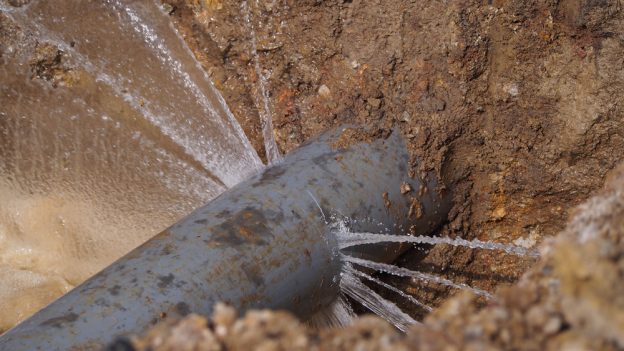
Is your home experiencing a slab leak? A slab leak is a term used to describe a water pipe leak under a concrete floor and can cause big issues if not attended to immediately. Let’s explore how to detect underground concrete leaks or also known as slab heave.

Slab leaks affect buildings and structures of all ages. A minor water leak under concrete can develop into a costly and inconvenient situation over time. The faster we detect a water leak underground, the lower your repair costs will be.

Finding a water pipe leak under concrete isn’t an easy task and will more than likely require the services of a professional leak detector or trusted plumber with the right equipment. However, you should be aware of the signs of a slab leak to detect it correctly.

Common Causes of Water Leaks Under Concrete

There are many common causes of a slab heave and how it occurs. When the faucet is turned off and you hear the sound of water, it’s one of the most obvious signs of a water pipe leak occurring under concrete.

If you find hot spots on the floor, it may indicate a hot water line leak. Another sign of a slab leak is mould or excessive moisture under your carpets. A damp carpet with signs of mildew or mould indicates a water pipe leak under concrete. This may also produce a peculiar odour at times.

Wet baseboards are another common sign of water leaks in concrete slabs happening at your property. We explore information on how we can look at this further:

  • Locate the pipes in your house
  • Check the water meter
  • Perform the initial pressure test of your home
  • Complete electronic leak detection steps

Locate The Pipes In Your House

You should know the location of the main water supply to your house to find water pipe leaks under concrete. There should be a main water shut-off valve installed inside your property.

This should be used in the case of an emergency or for repairs. It’s important that you take a tour inside the house and locate the plumbing system and know how it’s structured. This is the first step you need to take when locating water pipe leaks under concrete.

Check The Water Meter

Both minor and severe pipe leaks can be detected by performing a simple test by yourself. First, you need to turn off all water supply sources in your home and record the reading on the water meter.

Wait for 10 minutes and check the reading once again. If there is a difference in the reading, a water leak is likely. This is the best way to detect whether there is a leak in your home.

Perform The Initial Pressure Test Of Your Home

Testing the water pressure of your home isn’t a difficult task. It can easily be completed using an inexpensive pressure gauge. You should adjust the water pressure so that it doesn’t place excess stress on your plumbing system. This will help prevent water pipe leaks in the first place.

You should keep on testing the water pressure regularly to prevent the problem from damaging the plumbing system in your home.

Perform Complete Electronic Leak Detection Steps

There is non-invasive equipment to detect water leaks in your home including acoustic leak detection and thermal imaging procedures. That’s where you need the help of a professional leak detection company that can come out and assess the potential severity of the leak. This will prevent further damage to your property and save costs in the long term.

Call the leak experts

With hundreds of leak detection providers in the state, it’s not easy to find the right company that has the extensive knowledge, experience, and equipment to assess your leak problem. This is why Austest Pipeline Solutions are here to look at all underground water leak situations and can submit a fully detailed report of what’s happening to your slab heave.

For more information or to retrieve a free quote get in touch with our friendly staff today.

Why Toilet Smells Like Sewer
28
Sep
2019

Do you have a toilet or bathroom that smells like sewer? This can be terribly embarrassing, especially when you have visitors. Let’s take a look below at what the causes of this might be.

Common Causes of Sewer Smells Inside Toilets

No matter how much the toilet is cleaned or what type of cleaning products and chemicals are used, there is still a foul odour coming from the toilet. In fact, it smells just like a sewer.

Unfortunately, no amount of cleaning is going to get rid of that nasty smell. There are however a number of different issues that could be the source of the smell. We cover these below:

  • Sewer gas returning from a vent pipe
  • A dry p-trap
  • Clogged or blocked drains
  • Sewerage seeping into the toilet
  • Damaged or broken wax seal

Some of these issues have simpler solutions than others. However, it is always recommended to call a plumber to diagnose a clogged sewer line and resolve a problem if you have a toilet that smells like a sewer.

1. Dry P-Trap

The p-trap is the curvy pipe behind the toilet that drains the water and effluent out of the toilet bowl. A toilet that is not used often or a p-trap that is leaking can dry out resulting in a bad smell. Simply flushing the toilet regularly can help resolve the problem in a toilet that is seldom used. However, if there is a leak or damage to the p-trap, call a plumber to replace or repair it.

2. Damaged Wax Seal

The wax seal is found on the drainage pipe and is there to prevent water and effluent from leaking out.

The seal is however quite fragile and likely to deteriorate or become damaged after a period of time. If this is the issue, it is best to contact a plumber to replace the wax.

3. Blockages

There are many different places where a blockage can occur in a toilet resulting in the smell of sewerage. A toilet that is draining slowly is a clear sign that there is a blockage.

However, even toilets that seem to be draining properly may have a small blockage that is resulting in a foul smell.

If you cannot resolve the blockage or the sewer smell remains, hire a plumber to find the blockage and expertly unclog the toilet.

4. Blocked Vent

Most people are unaware that a toilet has a vent stack that is there to filter out bad odours and sewer gas. This is because the vent stack is normally located inside the wall behind the toilet. A vent stack that is blocked will result in the sewer gas building up in the pipe and then flowing back into the toilet bowl. This is one of the most common reasons for a toilet or bathroom that smells like a sewer.

It can be tricky to unblock a vent stack and it is not recommended to do this without professional assistance from a plumber.

5. Sewerage Seepage

A toilet that is not functioning properly can allow sewerage to seep back into the drains of the toilet or even the toilet bowl. This sewerage contains bacteria that is responsible for creating that bad odour smell.

Even if you don’t notice the sewerage, bad bacteria may be present. Flushing the entire system with bleach should eliminate the problem. Pour concentrated bleach into the overflow pipe and the flushing valve and then flush the toilet to release it into the system. If this does not resolve the problem, call a plumber.

It can be difficult to determine which of the above-mentioned issues may be causing the toilet to smell like a sewer and it may take some trial and error to accurately identify and solve the problem.

Expert plumbers have the experience and the know-how to diagnose plumbing problems quickly and effectively as well as find the best solution for each problem.

Organise a Sewer Inspection

When you have a sewer emergency, work with a team you can rely on. If you’re experiencing a bad smell in your toilet or bathroom, Austest Pipeline Solutions are here to help. We have all the plumbing and sewer inspection equipment to help you whenever you need us.

For all sewer drain inspections with stubborn sewage smell, get in touch with Austest Popeline solutions today.

What Are CCTV Drain Inspections
21
Sep
2019

What are CCTV drain inspections and how do they help? Let’s explore a little more in the article below.

Drain pipes help direct wastewater away from your home or commercial building. As an essential component in any building’s plumbing system, drains experience constant use, day in and day out.

Leaks or blockages along drain pipes usually lead to the production of foul odours and/or unnecessary flooding of wastewater within the building or home property.

Closed-circuit television drain inspections can be used to assess the condition of drain pipes and with it, help property owners identify and resolve any hidden leaks or blocked issues.

Have you ever been interested in what the below are? Let’s find out!

  • What Are CCTV Drain Inspections?
  • Why Camera Inspections Are Necessary?
  • How Are They Conducted?

What Are CCTV Drain Inspections?

Simply put, CCTV drain inspections employ the use of highly advanced cameras and other equipment to assess the condition of a property’s drain system.

The plumbing technician or leak detection specialist handling the drain inspection assesses the condition of the drainage system by viewing a live feed from the cameras inserted into the drain plumbing system.

Why Would You Need A CCTV Drain Inspection?

Most property owners/managers will not see the need to have a CCTV drain inspection until they encounter serious drainage issues.

While it is true that CCTV drain inspections can help uncover all sorts of sewer drain issues, it is important to note that this service is also useful as a preventative measure. This simply means that CCTV drain inspections can be conducted periodically to assess the condition of your drainage system.

This makes it possible for property owners to identify and resolve any issues in their infancy before they develop into serious problems. Homebuyers can also use CCTV drain inspections to assess the condition of a property’s drainage system.

This means they can get a good idea of whether any repairs are needed before they commit to buying a property.

CCTV Drain Inspection Gear

To conduct these inspections, plumbing technicians have to employ the use of a variety of specialised equipment, as described below.

  • Cameras that can survive uses in low visibility underwater applications.
  • All areas of the drainage system, including those that are hard to see, can be assessed visually using these high-performance waterproof cameras.
  • To push the cameras into place, through narrow drainpipes and tight bends, flexible access rods are used.
  • For added mobility even in the most restricted parts of your drainage system, remotely operated crawlers are also used in addition to the access rods described above.

CCTV Drain Inspection Process

The use of the advanced equipment mentioned above may seem to make the CCTV drain inspection process more complicated than it actually is; however, as you will discover in a bit, it is nothing but.

Once the drain inspection technician arrives at your property, they will ask you a few questions about the issue at hand to ensure that they have a clear mental picture of what they are dealing with.

They will then set up their drain camera equipment and access the drainage system from the most convenient location.

After pushing the cameras into the drainpipe, using the most suitable method, they will then proceed with the inspection of the entire drainage system by observing the live camera feed.

After the CCTV drainage inspection is complete, the technician will recommend an appropriate course of action depending on their findings.

As the client, you will choose when to act and schedule any repair work as soon as possible, or schedule another follow up at a later date if no pressing issues were discovered.

Closed Circuit Television drain inspections rely on the use of highly advanced technology to assess the condition of your drainage system.

This ensures that you get an accurate idea of whether immediate repairs are necessary to keep the drainage system ticking, and how urgently the work needs to be carried out.

Call in the drain camera experts

Austest Pipeline Solutions have over 25 years’ experience in domestic, commercial, and industrial plumbing with water leak detection being our specialty. Get in touch today for a quote from our specialists to have a look at your drainpipe issue and to prevent further damage.

what is video pipe inspection
13
Sep
2019

Did you know there is now an easier way to find where leaks are coming from in your drain pipe system? What’s more, it doesn’t require any excavation work and is a much cheaper method to use. In this article, we explore what is video pipe inspection and how it can help detect water leaks within your plumbing system.

Most home or business owners dread the thought of blocked drains and pipe leaks. However, it’s the damage and cost associated with these problems that cause real headaches. For example, when a pipe is leaking underneath the building, consider what it typically requires to detect and fix this leak. Some excessive measures might be necessary, unless, the right equipment is used by the right people.

What Is Video Pipe Inspection?

Video pipe inspection is a modern solution to several big pipe leaks and blocked drain problems. And in light of helping home and business owners to make the most cost-effective decisions, this article looks at:

  • Defining video pipe inspection
  • The benefits of drain camera video inspections
  • Types of drain testing

How Does Video Pipe Inspection Work?

In straightforward terms, video pipe inspection makes use of special cameras. These can be guided through many different pipe systems, move around bends, and go through water/waste without being damaged. Working with video or drain pipe inspection experts opens up a world of cost-effective solutions.

How Video Pipe Inspection Makes A Big Difference

Why should it matter to home or business owners that there are leak specialists using such advanced tools? Here are several reasons:

1. The Inspection Is Very Quick

Do not expect the camera leak technician to take long in finding the problem. Whether something is blocking the pipe, or whether it is damaged and needs replacement, the video inspection reveals everything the operator needs to know.

2. It Does Not Require Excessive Measures

When excessive measures are mentioned, we are talking about excavation which typically takes place when conventional strategies are used. In other words, there is a good chance plumbing professionals have to dig to find the problem. However, with a more sophisticated camera system, no digging is required.

3. The Problem Can Be Assessed With Accuracy

Without digging, assessing the problem cannot be done with 100% accuracy. Every solution is ultimately a guess, and there is no telling how effective guesswork can be. However, a video pipe inspection provides accuracy on top of all the other elements which is why it is such a viable solution.

4. Test An Extensive Range Of Pipes

It does not really matter what type of piping system you are struggling with. Given the cameras are flexible, small, and durable, they are able to slide into just about any system you need them to.

5. Video Pipe Inspection Is More Cost-Effective

When combining the cost of the excavation and possible repairs, as well as the cost of hiring professionals, it is not surprising that video inspection is much more affordable. Home and business owners do not have to dig up areas of their property just to find the problems with their piping system. The inspection can be incredibly quick if leak specialists with camera equipment are in charge.

6. Pipe Maintenance

Finally, spending a little more right now to assess the health of the piping system at home can help to prevent bigger problems down the line.

Types Of Drain Camera Testing

It is important to note that modern pipe inspections can be used for a variety of things. However, to give everyone a good idea of the most common reasons, video inspections are utilised for:

  • Blocked drains including tree intrusion, debris clogging up the system etc.
  • Water pipe and sprinkler leaks
  • Backflow testing
  • Damaged water pipes

Gone are the days when fixing something as basic as a leak would have cost you a small fortune. Especially if the leak is detected in a location that cannot be spotted without excavating. To make things worse, by the time the leak becomes visible, the water damage might already be done.

However, all your pipe problems can be assessed and solved much quicker than you thought. And it will not cost nearly as much as you think.

How Can We Help?

Austest Pipeline Solutions serve Melbourne and surrounding areas. Our trained specialists can perform video pipe inspections and sewer line detection to pinpoint a range of issues – from residential to commercial. Our video inspection equipment can find its way around pipes and locate any hidden drain faults.

To help you save time and money for your next project, give us a call today on 1800 532 533 or complete our online contact form.


How To Detect Residential Fire Sprinkler Leaks
07
Sep
2019

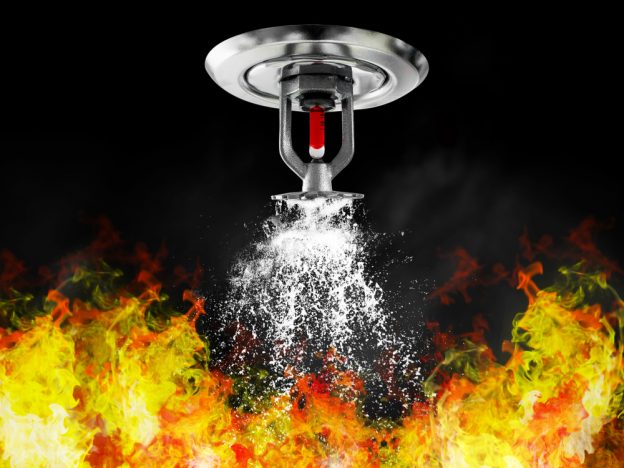
How can you tell if your fire sprinkler system has a leak? Being able to detect residential fire sprinklers could save your life. Here we explore why this is the case.

Home fire sprinkler systems are an effective and affordable method of protecting property and lives. The maintenance required on residential fire sprinklers is minimal compared to commercial systems and they are designed to last for decades.

According to the Central Savannah River Area Society of Fire Protection Engineers, fire sprinklers rarely malfunction, and the chances of a defective sprinkler head are less than one in sixteen million.

In most cases, only one sprinkler head is required to control fire and in a study conducted in New Zealand and Australia over 82 years of automatic fire sprinkler use, it was found that in 82% of fires that occurred two or fewer sprinklers were needed to control it.

It makes sense to ensure that fire sprinkler systems are inspected regularly and are well maintained to avoid potential injury and death from property fires.

Sprinkler Leak Maintenance

When a residential fire sprinkler system is installed each owner is provided with a set of specific instructions for the maintenance and testing of the equipment.

Some of the essential steps that should be followed include:

1. Opening the system test valve on a regular basis (recommendations vary depending on different manufacturers from once a month to about once a year) to ensure that there is water flow and if there is an alarm, that it is working.

2. Conducting occasional visual inspections of the sprinkler heads as well as any exposed valves and piping.

3. Winterising the pipes in the system the same as any other water pipes especially if living in a cold area.

4. Making sure that the control valve is always in the open position to ensure that the sprinkler system will operate in an emergency.

5. Replacing any damaged sprinkler heads immediately.

6. Do not block, paint over or otherwise damage the sprinkler heads.

How Does a Fire Sprinkler System Operate?

A residential fire sprinkler system normally sits at ambient temperature and the biggest challenge is when water at street temperature enters the piping that may drop the temperature by about 20 degrees.

This water is not delivered in a constant flow but in one charge under pressure. Normally we trust that the pipes are able to withstand the pressure without leaking, but there are no guarantees.

The system is usually pressure tested with water to one and a half times working pressure for at least 24 hours before being placed into service. If this has been done correctly the chances of a leak occurring under normal pressure will be extremely low.

It is extremely difficult for a homeowner to detect a leak in the system. Some homeowners invest in a very accurate pressure gauge but unless the system is valve-isolated until used, it will be very difficult to detect a small leak.

Water is a precious resource and we should all contribute as much as possible to save it. 90% less water is used by a home sprinkler system than it takes the Fire Department to extinguish a fire.

If you suspect that there may be a leak in the sprinkler system on your property, give Austest Pipeline Solutions a call to detect any leaks.

what is cctv drainage survey
31
Aug
2019

In order to keep drains clean and clear, various mechanisms can be employed to identify exactly what’s going on inside the drains. Wastewater pipes and drains are often ignored or forgotten because they are out of sight. However, these infrastructures play a critical role in our day-to-day lives. 

Keeping drains clean and clear is very important if you wish to live in a hygienic and friendly environment. One way to ensure that drains are clog-free and do not have any internal problems is by using a CCTV drainage survey.

What Is A CCTV Drainage Survey?

A CCTV drainage survey is basically a modern technique of performing in-depth inspection and analysis of drainage systems and infrastructures. The technique makes use of various state-of-the-art gadgets and equipment to capture vivid images of the internal parts of drains and wastewater pipes. 

High definition cameras are used to capture a live feed of the internal parts of the drains. The live feed is monitored to detect any hidden blockages or clogs in the system. A CCTV drainage survey is normally carried out by a trained leak specialist or plumber.

When and Why Would You Need To Do A CCTV Drainage Survey?

Drain inspection and analysis is a crucial process that needs to be carried out every few months for a number of reasons. One of the most common scenarios where a CCTV drainage survey is needed is when someone is buying a new home. 

A simple CCTV drainage survey can give a potential homeowner a clear idea of the state or condition of a home’s drainage system. The survey can help to identify any repairs that may be needed for the home to be deemed habitable. 

Homebuyers are always encouraged to perform CCTV drainage surveys so that they are well-informed when buying residential properties. Homeowners and tenants can also benefit from CCTV drainage surveys when they encounter on-going problems such as blockages and leaks.

A survey can be used to quickly get to the root cause of the problem. So, if you are experiencing drainage problems in your home or want to know more about CCTV camera surveys, you can ask your plumber to carry out a CCTV survey of your drains in order to get a quick solution to your problems.

What Equipment Is Used?

Because this is a highly technical activity, various tools and equipment are needed to get a clear picture of the internal components of your drainage system. Typically, a leak technician or trained plumber will provide all the tools and equipment needed for the exercise. 

Here are some of the tools and equipment needed during a CCTV drainage survey:

  1. Waterproof Cameras

State-of-the-art waterproof cameras are needed to inspect the insides of the drains and wastewater pipes. They must be able to work in tight spaces and under immense pressure.

These cameras give plumbers a clear picture of what is going on in your drains.

  1. Plumbing Rods

These are flexible rods used to push the waterproof cameras along the pipes and drains. This allows the cameras to go around corners and curves with ease.

  1. Crawlers

Crawlers are used to inspect sewer systems. They are tiny gadgets that can be remotely controlled to access places that an ordinary plumber cannot.

  1. Sonar Units

Sonar units are used where acoustic listening is needed. Filled pipes that cannot be inspected using surveillance cameras require sonar units that can collect data without visual access.

What To Expect From CCTV Drain Surveys?

A CCTV drainage survey can help you get a comprehensive report on the state of your drainage system. The survey can help to identify both minor and major issues that may be affecting your drains and wastewater pipes.

At Austest Pipeline Solutions, our trained leak technicians can arrange for a CCTV survey around a planned or emergency call out, ensuring a tailored approach around your specific needs. To arrange a CCTV drain survey for your plumbing system, get in touch today.

how does drain camera work
26
Aug
2019

If you have done any research on drain line problems, you have probably come across something known as “video pipe inspections” or “drain inspection cameras.” Any serious leak specialist or plumber uses this technique when diagnosing drain backups or drain pipe damage, which is why homeowners should know what drain camera inspections are, how they work and what they are used for should plumbing problems ever arise.

How Does a Drain Camera Work?

In the past, drain inspection and diagnosing problems depended heavily on presumption and calculation. If a drain repair technician encountered a problem, they would assess the problem and repair it, usually without any visual confirmation whatsoever. While the older methods were clever and crafty, they took a lot of time and did not offer complete certainty. 

The new-age solution involves using a waterproof micro camera that’s inserted into the drains or pipes in question and manoeuvred through its entire length. The drain camera provides the repair technicians with a live video feed directly from inside the pipe in question thus providing a precise and accurate view of the conditions inside the pipe.

Drain Camera Process

The repair technician first inserts the specialised drain inspection camera down the drainpipe in question. The waterproof camera is about the size of a smartphone camera and attaches to a long, flexible metal cable. 

The cable with the camera attached is then fed into the drain line and manipulated remotely using small motors inside the cable. The cable unspools from a long coil as the camera pushes further through the drain pipe.

Besides the motors that control the movement of the camera, the cable also connects to a portable, closed-circuit display. Powerful lights on the tip of the camera light up the pipe so that the technician can see what is in the pipe from the display. 

The lights, closed-circuit display, and camera allow the technician to see everything in the drainpipe in real-time. For more intricate drain lines, the drain inspection camera is connected to a Pipeline Inspection Gauge (PIG). 

The PIG is a cylindrical mechanical body that is capable of moving through the pipes and drain lines. Besides the camera, it can also be attached to other equipment for the purpose of removing debris.

The Pipeline Inspection Gauge is not only used for inspection but also for the maintenance of pipes and drain lines. 

What Drain Problems Can Be Identified?

A drain inspection camera allows the service technician to identify any problems with the pipe. This might include cracks, root intrusion, corrosion, punctures, or even misaligned pipe sections. 

The camera can also identify grease build-up, obstructions, and leaks. A follow-up video inspection can be conducted after service is performed to ensure that the pipe is properly repaired or cleaned. 

Why Use Drain Inspection Cameras?

Drain inspection cameras are completely operated and manoeuvred through the pipes from the starting point and don’t require the repair technician to do any wall breaking, digging, or any additional labour that the old methods required.

As you might imagine, not only is using cameras for drain line inspection accurate and easy to do, but it also takes less time and is 100 percent accurate. 

Simple but effective, drain line inspections using waterproof cameras is one of the most convenient ways to quickly and accurately find problems and determine the best course of action. There are many benefits of a drain camera inspection and how they can assist plumbers or leak technicians in diagnosing a blocked plumbing system.

Find the Best Fix for Your Drain Line Problems Today!

Now that you know how drain inspection cameras work, you can now rely on the professionals to locate the plumbing fault and fix any issues that you might be having with your pipes and drain lines. 

Get in touch with your local leak detector expert or qualified plumber today to conduct a camera inspection on your property to diagnose your blocked drain or piping problems.


process of pipe and sewer relining
20
Aug
2019

The plumbing system at home or at a business property has an estimated useful life, beyond which you have to replace the drain pipes. In some cases, corrosion and/or cracking of the plumbing lines might necessitate replacing the plumbing much earlier than its estimated useful life. 

Pipe and sewer relining give property owners the ability to increase the life and extend the usability of their already installed plumbing network. This is where we will explore the process of pipe and sewer relining when it comes to repairing plumbing lines.

Traditionally, replacing plumbing meant excavating and removing materials surrounding the plumbing to access the pipes. The entire process of excavation and replacement of the pipes is not only tedious but also expensive. There’s a lot to learn about what drain and sewer pipe relining is and its many benefits.

Pipe and sewer relining using the cured-in-place pipelining (CIPP) on the other hand, is a much simpler process that is cost-efficient. 

The creation of a pipe within a pipe process involves:

  • Inspection of the sections of the pipes that need relining.
  • Cleaning of the pipes.
  • Installation of the liners and the rubber bladder.
  • Removal of the rubber bladder.

Step #1. Inspection Of The Plumbing System

Every pipe or sewer lining project begins with the inspection of the plumbing system. 

Using a remote camera system, professional plumbers inspect the entire plumbing system, noting its state and mapping the system. 

Additionally, during the inspection process, the plumbers can draw up the best and most efficient plans of how to complete the task.

Step #2. Cleaning The Pipes And Or Sewer Lines

After inspecting the pipes and sewer lines, the next step is to clean the pipes or sewer line. 

The cleaning process removes all the hardened scale, debris, tree roots, and any other material that may block the pipes or sewer lines.

Cleaning pipes and sewer lines is an essential part of relining. The cleaning process helps the relining felt to adhere to the original pipe or sewer line easily. 

While there are many cleaning methods that plumbers use, water jetting is one of the most popular and most effective pipe cleaning methods around.

After cleaning the pipes or sewer lines, a final inspection is performed using CCTV cameras. This ensures that the pipes are ready for relining.

Step #3. The Installation Of The Liner

To install the liners, the felt liner is saturated with two parts. 

After that, plumbers usually score the outer surface of the liner, enhancing its ability to adhere well to the pipes. 

The proper adhesion between the two is needed to negate the chances of water filling the space between the outer walls of the new pipe and the inner walls of the old pipe.

The liner is then pulled in place and positioned correctly. The rubber bladder inside the epoxy-impregnated felt liner is expanded to adhere to the walls. 

The felt liner is allowed to cure in place, taking the shape of the pipe. The liner can be cured with the help of hot water. However, most of the time, it is allowed to cure naturally.

Step #4. Removing The Rubber Blabber

As the final step, the rubber bladder is deflated and removed, leaving behind a pipe within a pipe. To make sure the new pipe works properly, plumbers will perform some final checks. The junctions are inspected, and the entire length of the pipe is inspected as well. 

When plumbers are satisfied with the result, they refit the valves and couplings. They finally perform water flow rates, volume testing, and water quality testing to make sure the system is functioning as it should.

At the end of the installation process, the pipe or sewer line is renewed while the structure or ground remains intact and unaffected. 

CIPP helps property owners when it comes to replacing old and damaged pipes and sewer lines in a fast, cost-efficient, and non-destructive manner.

Call The Relining Experts

If you’re looking for a pipe and sewer line specialist give Austest Pipeline Solutions a call on 1800 532 533. We use advanced technology and equipment to not only clear your blocked drains but reline your plumbing system to save you time and reduce excavation costs.