Author Archives: austest

Detecting An Underground Leak With Thermal Imaging

Most property owners often face one common problem: moisture over ceilings, behind walls and under surfaces and floors is normally impossible to detect until late when the problem is already excessive. That’s when it becomes visible to the naked eye.

detect-leaks

Such moisture usually comes from leaks from plumbing fixtures, fittings and pipes. Leaks lead to significant wastage of water and subsequently inflate the water bills.

These leaks also cause extensive damage to building material. Even the smallest water leakage can create major problems that may endanger the lives of occupants if not repaired soon.

These leaks also cause extensive damage to building material. Even the smallest water leakage can create major problems that may endanger the lives of occupants if not repaired soon.

Regardless of the nature of the leak in your facility, the problems they cause are always serious:

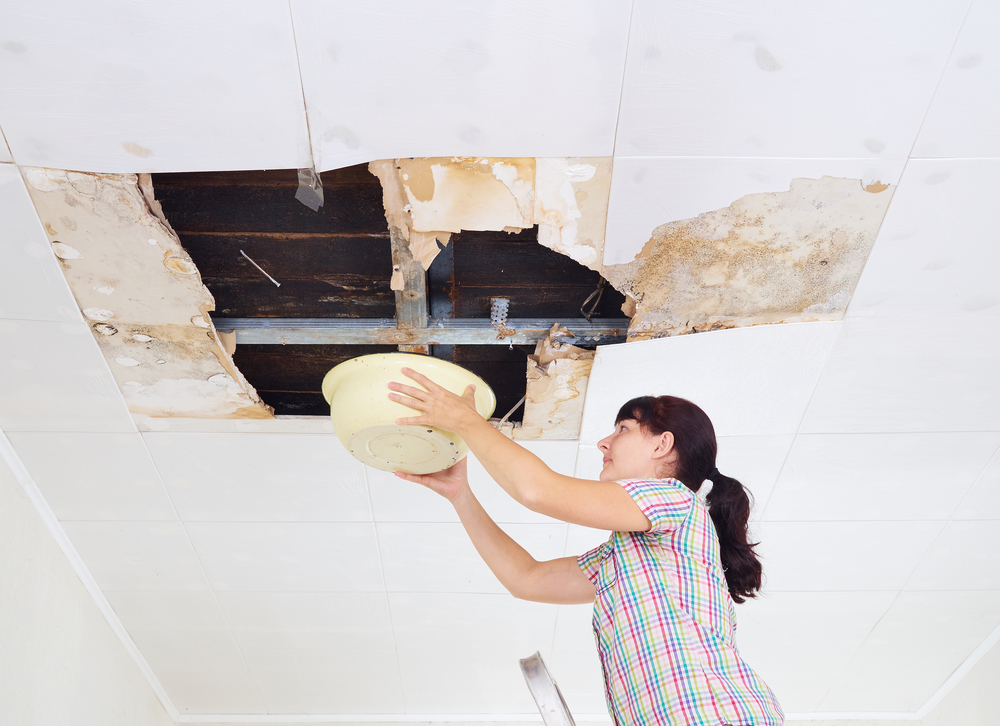
1. Moisture intrusion – destroys building material and belongings, and causes uncomfortable surges in indoor humidity. Moisture also tends to trigger the growth of mildew as well as dangerous moulds.

detect-leaks2


2. Thermal loss – a lot of hating energy escapes through undetected gaps into the outside environment.

3. Equipment failures – leaking water may corrode metallic appliances in both homes and industrial environments.

detect-leaks3
It’s important to address leaks before they spread their damage. But repairing leaks can be a serious headache: they’re never easy to find!

Most facilities in Melbourne have most of their plumbing pipes much hidden from sight – often behind walls, in service rooms or behind floorboards.

You might start to suspect that there’s a leak in your house when your water bills hit the roof or if there’s a steep decline in water pressure. Yet even then, it becomes really difficult to tell where the leak could be.

detect-leaks4
Such leaks typically become visible in various positions within the property, yet they usually originate from other areas that are generally hidden within the buildings structure.

This is something you just can’t guess where it’s happening. That’s where a leak detection specialist comes in.

While it’s often been difficult to investigate and remove moulds and infestations that are not yet visible in structures, leak detection technology is now available.

Thermal imaging technology is now used in Melbourne to do what was once impossible: detect leak problems in time.

Why this job is for professionals

Leak detection requires both skills and special equipment. Only a licenced leak detection specialist is likely to have both.

detect-leaks5
An experienced leak detection specialist can actually narrow down the place of a leak quickly using just their knowledge of plumbing and a few outward signs.

That skill is just an added advantage though. Melbourne thermal imaging technicians use technology that makes it much easier to spot leaks of any kind.

What sets Melbourne thermal imaging and professional leak detection apart is their advanced equipment and technicians’ skill at using these equipment. Even more important is the leak detection specialist’s ability to interpret their data.

Various professionals normally use different devices to identify leaks:

Acoustic listening discs

Plumbers use these discs to let them hear the sound of escaping water even through thick layers of concrete – up to several feet of thickness.

Acoustic listening discs are very common, but are not the most accurate tools for leak detection. These tools are somewhat only as effective as the plumbers who use them.

The specialist must have a well-trained ear to detect the sound of water escaping a pipe through several feet of building material.

Thermal scanners

They can locate sections where water is creating a change in temperature as it leaves the pipes. The scanners generally record the changes in temperature around the seeping pipe.

Special video camera pipe inspection equipment

These are the surest tools of locating a leak. The camera provides the most accurate location of leaks. Leak detection specialists can therefore observe the leaking pipe closely from the inside.

Of all mechanisms used to spot leaking areas, thermal imaging, or infrared thermography, is the most realistic and cost effective of all.

Thermal imaging Melbourne professionals use infrared cameras to show exactly where the problem lies.

How it works

The thermal imaging leak detection survey works by pinpointing and monitoring heat signatures.

Notice that thermal imagers do not measure temperature. Rather, they measure radiated heat signature from which a temperature is derived based on the quantity of energy they detect.

detect-leaks6
All objects with a temperature above absolute zero emits an infrared radiation.

As such, thermography or thermal imaging makes it possible to see objects within an environment even without visible illumination.

The amount of radiation that each object emits increases as temperature increases. This allows you to see variations in temperature displayed in different colours in a thermo graphic camera.

These cameras use infrared wavelengths to measure the thermal signature of an area. It can be just a small area like a power switch box, or as big as an entire building envelope.

The data collected on the camera is displayed in the form of a visual image that colourises heat. This makes it fast and easy to isolate thermal variance.

Objects in these infrared-wavelength cameras are referred to as thermographs. They reveal a spectrum of thermal signatures that are otherwise invisible to the naked eye.

This is why the technology is particularly invaluable for spotting hidden structural problems. It enables Melbourne’s thermal imaging specialists to pre-empt structural, electrical or mechanical faults. These leak detection specialists also track the extent of water or structural damage.

They can also detect cracks on the wall or energy loss by use of thermal imaging. Melbourne’s thermal imaging specialists help you locate leaks, water ingress, anomalies and subterranean materials; whether it is underfloor or on the roof. All this is very crucial to limitation of damage since you can have any leakage repaired before it spreads out.

Who needs leak detection?
detect-leaks7
Leak detection may easily pass as a reserve for homeowners. In essence though, professional water leak detection service is offered to:

✓ Insurers
✓ Loss adjusters
✓ Builders
✓ Plumbers
✓ Maintenance managers, and;
✓ Facilities management companies.

Conclusion

The bottom line is that leaks will always cost you money. But this needs not be so in this age when technology is available to help you save money through quick and timely leak detection.

How Slab Heave Occurs And What To Do About It

It’s simple chemistry. When water is added to clay, it expands. And when the water dries up it shrinks.

The same reaction happens when this clay is beneath a house. Only this time, the object on top of the soil is expanded. This is what causes slab heave. A shift in the foundation or slab of a house, which causes damage to the building.

The change, more often than not, is irreversible. If, however, it can be reversed, doing so is expensive.

slab heave clay movement

The Effects of Slab Heave

Have you ever slept on a wonky bed? Bet that when you woke up, you suffered from severe backaches.

Applying this to your house, the ‘back’ is your floor. When there’s slab heave, the floor is moved out of place, resulting in broken walls, uneven floors, and a ruptured roof. Sadly, these are the best case scenarios. When these structural changes occur, you can have falling debris from the roof, collapsed walls, broken cabinets, and other fixtures dropping.

How to Prevent Slab Heave

Considering slab heave is caused by changing moisture levels in the clay beneath a house, can this be foreseen and prevented? In most cases, it can. Builders are aware that this can happen and they are trained to deal with them. So why don’t they?

Note that you can choose from two sets of builders in constructing your home. They both have a ton of experience, and they are equally good on paper. Which one will get your nod?

Most of the time you opt for the cheaper one. The problem is that most of the time, the cheaper one doesn’t include the cost of fixing the required soil conditions around the house. For this type of contractor, all problems that may come after they are done with their job are the owner’s problem, not theirs.

slab heave

Apart from making sure the soil doesn’t have too much moisture, slab heave can come from unexpected water penetration from broken pipes, sewers or faulty rain gutters.

Even if the engineers rightly secure the slab from external sources of moisture, an internal source would undo that good work.

A third factor is mother nature herself. Specifically, we’re talking about trees.

Where do trees search for water? Everywhere.

By consuming the water sources in the soil around your home, they effectively starve the clay, causing it to desiccate, leaving your house vulnerable to slab heave.

How Can Slab Heave Be Fixed?

Engineers may tell you that there is no solution. But is this true?

Many homes have been successfully rescued from slab heave, though in varying degrees of success.

The best fix is early detection. When you notice a crack in your walls or unevenness in your floors, don’t think that you are being paranoid or that someone made a mess.
Austest is your first point of contact and can help with our slab leak detection services if you are unsure.

slab heave crack

Engineers and lawyers will ask you if you kept track of these changes and whom you notified from the time you noticed. Remember that the sooner you identify the problem, the easier it will be to deal with in most cases.

A standard solution at this point would be to reinforce your walls. Doing so would allow them to withstand the movements underground.

plaster roof

Furthermore, you should trace the source of the water leakage. If the source is visible such as a broken pipe or condensation from air conditioners, these should be capped off immediately, to prevent any damage.

Then, check the trees near your home. If they are disrupting the soil, then they have to be relocated. Doing so will help you and the environment.

If the cause of soil moisture build-up is external, you will need to find a way to keep it from the house. This is more of an engineering issue than a personal issue unless you are an engineer.

Hiring a professional to do this might seem expensive, but doing so is better than losing your home.

If the above measures proved to be insufficient to remedy the situation, the worst case scenario would be demolishing a part of the house.

Note that the problem is that the slab heave is resilient. It may stop for a while, but if it is not properly dealt with, it will keep coming back.

Should You Be Worried?

Absolutely not. In a number of cases across Melbourne, the people responsible have been quickly identified and compensation has been made or would be made.

As a landowner, it will suit you well to carry out an independent assessment of the soil in and around your property.

Moreover, you can look for construction companies that comply with all Australian construction regulations, with papers to prove it.

water meter leak test
07
Jul
2016

Benefits of a Water Meter Test

Saving on utility services such as water bills has become a matter of concern these days, especially in homes and in commercial facilities. Have you received a water bill that is exceptionally high? Then, you should consider two possible factors. There is either a mistake in your supplier’s accounting system or there are water leaking issues on your premises.

If it’s a mistake in the accounting system, then it can be easily resolved by filing a complaint to your supplier. However, if it’s due to a leak on your premises, then you will need the help of a water meter leak detection service.

In the event of a water leak occurring before reaching the meter, there will be no increase in the usage and accordingly, will not affect your water bill. If a water meter test determines that leakage is either at the meter point or between the meter and the property, then this is generally a reason for any significant increase in your bill. Simply put;

  • It is the responsibility of your water supplier to investigate and stop a leak if it occurs up to and at the water meter. As the meter is the property of the supplier, interfering with it in any way, is generally regarded as a criminal offence.
  • Likewise, it is your responsibility to investigate the water leakage and stop a leak that has occurred between the meter and your property.

How to Detect a Water Leak

Water conservation should be recognised as a crucial and integral part of home ownership, particularly in the hot seasons when water usage increases. It is essential that you are aware of what is happening, literally in your own backyard, as far as your water supply is concerned.

Undetected water leaks are not only wasteful but will also increase your monthly billing. Therefore, if you suspect any leaking water in your plumbing, it’s important that you take prompt action and enlist a water meter leak detection expert as soon as possible.

You can initially start the leak detection procedure by yourself. Firstly, make sure that water is not in use and then turn off all water-related appliances, such as dishwashers and washing machines. Read your water meter and record the information. Early in the next morning, take another reading. If there has been recognisable water usage during the night, it will be reflected in the meter. This will confirm that further investigation is needed to be related to a water meter leak.

The Elusive Water Leak

If you embark on a search for a water leak, then it is worth noting a few signs that could indicate its presence. These signs can include:

  • Exceptionally greener patches in your garden or yard;
  • A constant sound in the background similar to running water; and
  • Beyond average water bills

Any or all of these signs could indicate that you are confronted with an undetected water leak on your property. To be able to trace this possible leak, you should start to search your property, starting with the kitchen, then into the bathrooms and laundry. Look for any dripping taps and unsound connections to a dishwasher or washing machine.

You must also check your walls and flooring for damp patches. Check your toilet cistern for leaks, as well. You can achieve this by pouring a few drops of food colouring into the tank. Then, without flushing, determine if there is any amount of food colouring that has escaped into the toilet bowl.

Detecting a water leak manually is a time-consuming and frustrating process. This is because a leak can conceal in many varied places. Hence, your ongoing search should also include the garden taps and hoses, as well as any garden reticulation and sprinklers. Manual isolation valves, automatic solenoids, and any exposed pipes must also be included in your leak detection procedure.

In addition, your hot water and air conditioning systems must also be checked. You must also give keen attention to damp, unstable brick paving and garden areas that are excessively moist and greener than the norm. A leak detection process is indeed a very cumbersome task. This is the reason why a professional leak test at the water meter is the preferred option.

Protecting your Investment and Finances

As a home or business property owner, your utmost concern will be the protection of your investment and the reduction of maintenance costs. Along with property ownership, is a responsibility that includes the maintenance of the plumbing system and other water-related issues applicable to your property.

Therefore, in the event of water leakage, you must promptly consider a water meter leak detection and identify any unusual situations as early as possible. The sooner the cause is detected and remedied, the lesser will be your financial expenditure and the greater the protection of your asset.

Water is essential to life. Therefore, it is everybody’s responsibility to protect this valuable natural resource.

Need help?

If you have any doubt or concerns related to the effectiveness and efficiency of your water supply, enlist the help of a qualified professional leak detector to conduct a thorough water meter leak test right away. This could provide you with a significant amount of savings in financial and maintenance aspects.

How To Find and Repair Concrete Slabs That Leak

repair concrete slabs

What is a slab leak?

A slab leak is an industry term for a leak within the waterline piping below the concrete floor. Slab leaks are an issue in homes and buildings of all ages. A water leak under the floor can easily develop into a costly and inconvenient endeavour. The faster a leak is detected and repaired, the lower the underground water pipe leak repair cost is likely to be.

Continuing from our previous post on how to find & detect water leak in walls, in this post we will talk about how to detect a water leak under a concrete slab, covering how to identify if your slabs have water leak, how to find a water leak, and how to repair it.

Slab Leak Signs

slab leak symptoms

Faucet turned off but sound of water persists

This is a common indication of a leak in under slab water tanks or water pipes in a concrete floor. Using the latest CCTV camera inspection equipment can detect and repair leaks with non-destructive methods utilising this modern technology. This involves approved electronic amplification equipment supported by electromagnetic pipeline locators.

Floor hot spot could show hot water line leak

A “spot repair” involves creating an access point into the slab at the point of the determined leak. This is done in order to make a repair to the leaking pipe. It is recognised as a cost-effective slab leak repair option for more recent constructions.

For older systems, rerouting or replacing sewer pipe under the basement floor, including the entire line that was leaking, is considered the most effective method. For leak location purposes, highly trained leak technicians may employ non-invasive detection methods to accurately determine the location of a leak. This saves you time and avoids needless property damage.

Mildew or excessive moisture under carpets

water leak damp carpet

A damp carpet or rug with the presence of mould or mildew, accompanied with a peculiar odour could be one of the first indications of a cracked slab. This will require the floor covering to be lifted and an inspection must be carried out in the event of a concentring moisture presence.

Cracks in the walls or flooring

cracks slab

The appearance of cracks in your walls or flooring can be due to the saturation of the foundation, causing moisture to start leaking into the house. This can result in the foundation cracking or buckling. If this is the case, you may also observe cracks in the foundation on the outside of the building.

Wet baseboards

Should you encounter wet baseboards then it could be the result of pressure on the foundations. Any crawl space or basement home built on clay soil can experience soil movement that adversely affects the foundation. When saturated with excessive water clay soils expand and then contract when dry. The continual swelling and shrinking creates pressure on the foundation. And if the foundation cracks, moisture can enter the home. As the floor joist weakens, the flooring above can sag. Moisture attracts various insects such as silverfish, millipedes, and centipedes.

Water coming out below the water heater

Any leak in your water heater is not intermittent and should not be ignored. Due to the tank always being full, a leak will distribute water all around the outer lining of the tank. Generally, it is an issue related to water condensing, with a leak becoming obvious when access panels are removed.

Water on the floor or wet carpet

A wet carpet is a strong indication of a leak. If it concerns water on a tiled floor, then it could be sufficiently severe to cause water to gather in the space between the adhesive and the tiles. Replacing a shower drain in a concrete floor is a common outcome along with repairing and replacing tiles.

There may also be other indications in the case of hardwood floorings, such as a raised (dome-shaped) or warped section. This is a sign that could warn you of serious damage regarding the foundations.

High water bills

A well above average water bill is a general sign of a leak in your home. Although it could be an indication of a water leak from the pool, it could also be warning you of a leak under the slab. Therefore, if after preliminary checks of the concrete slab drain and other areas have been completed without discovering the source, seek professional help.

Wet planters near the house

Any type of wet source against a house is a serious issue, as it can be the cause of damage to foundations and encourage termites. You should ensure that the ground is graded away from the walls. And if you have any doubts, consult a professional leak detection specialist. If there is a grading-related drainage issue, or you’re having trouble locating water lines and pipes underground, seek qualified help to have it corrected.

Finding Your Slab Leak

finding your slab leak

Check your water meter

Severe leaks or multiple minor water leaks can sometimes be detected by performing a simple leak check. After turning off all water supply sources, record the reading of the water meter, wait at least 15 minutes while keeping the water supply off, then check the meter again. Should there be a recorded water usage during this period, then a leak is most likely occuring.

Locate your house’s pipes

Knowing the location of the main water supply is as important as an awareness of where to turn off or reset an electric breaker. Your home should have a main water shut-off valve installed inside, in the case of emergency situations and repairs. However, it is also worth taking a tour through your home and making note of how the plumbing system is structured.

Perform an initial pressure test of your home

Testing the water pressure in your home can be easily completed, with an inexpensive pressure gauge. In fact, adjusting the water pressure is one of the top ways to reduce stress on your plumbing system to prevent water pipe leaks in the first place. Testing the water pressure periodically can help pre-empt a problem before a high pressure water can damage the plumbing.

Perform complete electronic leak detection service

Special, non-invasive equipment is available for the purpose of definitive diagnoses regarding water leaks in your home. Electromagnetic pipeline locators, electronic amplification equipment, and camera inspections like drainage CCTV, are all examples of devices employed in the detection and location of a leak or leaks beneath your foundations.

Slab Leak Repair

slab leak repair

Spot repair

This type of leak repair involves an excavation of up to 1m² to repair the section of leaking pipe. Although this may be a cheaper option, a pipe that is in poor condition should be replaced or the drain cleared and relined, since a repair may only provide a short-term solution.

Re-pipe or Reroute

The occasion can arise whereby it is necessary and even more cost-effective to re-pipe or reroute due to a slab leak that is not accessible to repair. This could include a water leak under a bathtub, shower unit or beneath a kitchen cabinet. Knowing your home’s plumbing system and the common sources of household water leaks is helpful, but sometimes it takes more than a repair to stop a leak.

Epoxy pipe coating

The epoxy coating process is simple. However, it offers highly effective pipe restoration technology that coats the inside of pipes completely. The end result means that you will never have to be concerned about pinhole leaks, weak water pressure, and pipe corrosion or contaminants filtering into your water supplies.

Direct Access

The responsibility related to the pipework that conducts clean water is shared between water companies and property owners. Water companies are expected to maintain up-to-date plans of the sewers and watermains for which they are responsible. However, the majority of pipes within individual property boundaries are the responsibility of the property owners. Therefore, property owners have the obligation to maintain those pipes and ensure adequate and safe access to them. Keeping this in mind when making any home renovations or repairs can help you avoid needing to reroute or repipe plumbing due to inaccessibility.

Plumbing services

There are plumbing services offering leak detection in Melbourne that employ highly trained and qualified technicians to conduct household plumbing and concrete slab leak detection and repair. They will use non-invasive leak detection equipment to accurately locate leaks, providing a valuable service that avoids unnecessary property damage.

How to Find and Remove Water Leaking Through Walls

water leak through walls

Learn how to locate the water leak through walls by checking your water in the system and how to repair it. Also, find out why cleaning the deposit moulds and moss from leaking walls is important, here is the quick process to cleaning those mosses.

How to detect water leaks in walls

Water leaks in walls are disturbing not only because of their unsightly appearance but also because they are unhealthy for the mess and sludge they create but are an added drain in the wallet.

Whether your wall is made of concrete finish from assembled hollow blocks, or a drywall, a water leak inside these walls will definitely find a messy way to show itself on the surface.

Not all water leaks are as evident as water visibly flowing down the wall to the floor.

It is possible that the leak is just coming from a tiny or slight breach of the joint connection in the piping system hidden behind the walls.

In such a case, the leak may not manifest itself unless enough moisture accumulates and is aggravated by gathering moulds and moss, which should then require a repair.

Check for Water Leaks in the System

If you are to focus on addressing such leaks on walls, you might as well make sure that the water leaks are not only where you find them by the moisture marks they create on your wall.

It is possible that some leaks may be underground.

In such cases, they may not be visible and may only be properly located using sophisticated testing equipment.

water meter

The best way to check for other leaks is through a water meter inspection:

  • Close all possible outlets of water in your household – faucets, water closets, sinks, showers, lavatories
  • Observe your water meter closely.
  • Your water meter gauge should stop moving.
  • If it continues to move fast, it means water is escaping somewhere in the water line in substantial quantity.
  • If the meter’s movement is slow as to be almost negligible, it may come from the wall behind which you suspect a water leak.

How to stop water leakage from wall

To repair the water leak, you need to access the cause of the leak which is the water pipe itself.

Before you break any wall, check your house plan for the water piping system to determine how the pipes are positioned inside the walls.

If the plans are unavailable, observe if the spread of the moisture marks are horizontal or vertical.

If horizontal, you may have to cut the drywall from end to end of the marks measuring horizontally.

If vertical, you may have to cut from the top end of the marks to about two feet downwards. It is likely that the breached portions of the pipe are located right here.

How to clean mould off walls

molds in the wall

After repairing the pipe, clean the surrounding area of the moulds and moss that have gathered.

Most drywalls are made of plasterboard or gypsum board and are easy to replace:

  • Simply cut a piece of such a board sized enough to fit the hole you opened
  • Fasten the board using screws
  • Patch up the edges of the repair board to level off with the entire wall and finish with a matching paint

If the wall is concrete, the procedure will be the same, although the materials may be different.

After you have restored the pipe and you are certain that the leak has been repaired, there are a few more things to do.

Make sure that the moulds and moss that have gathered are cleaned out so as not to induce decay inside the wall and not serve as breeding place for insects.

Replace the hollow blocks, or stones, and close the opening as a concrete finish should be.

Talk to a Professional

While we are into a DIY engagement with these procedures, it is always prudent to call a water leak detector specialist to do the repair work since they are well trained and fully equipped to competently perform these types of household work.

AusTest Pipeline Solutions

leak detection equipment

Hiring a professional, precision can be guaranteed by reason of their training and experience.

Our trained staff at AusTest Pipeline Solutions, your leak detection Melbourne, uses state of the art equipment and systems to perform water leak detection for Melbourne homes and businesses.

We can locate issues in a range of areas under concrete slabs, under Bitumen roads, concealed in walls, in waste and sewer systems, in hydronic heating systems, and even irrigation and sprinkler systems.

If you suspect a leak or need a professional leak detector to inspect call 1800 532 533 or send an enquiry through to get in touch.

diy water leak detection equipment
07
Mar
2016

How to Create Do-It-Yourself Water Leak Detection Equipment

In Melbourne, just like anywhere else, water is a critical factor for existence and a life sustaining commodity that most people take for granted. Now more than ever, with the effect of global warming looming over us, water should not be wasted. Hence, every precaution should be taken to prevent water waste. This means having a reliable leak detection system in any household or commercial building.
Continue reading